Protein Proteínas vegetales.

Nutritional benefits of texturing in these documents prepared together with CONICET.

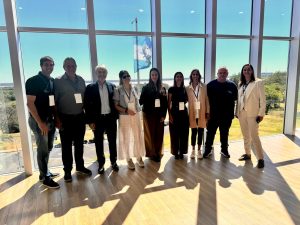
We are a group of companies that produce and process vegetable proteins, formed as a Cluster in August 2023. 

We have the objective of promoting the development of new protein products based on vegetable proteins, based on the needs detected in the national and international market; Promote Argentine Vegetable Proteins globally in different markets; Open new markets in high consumption countries; and consolidate the institutional strengthening of the value-added sector of Vegetable Proteins.

VISION
Consolidate the institutional representativeness of the value-added chain of vegetable proteins at the national and international level, in accordance with the sustainable growth of the companies that comprise it, as well as the development of their communities, guaranteeing the quality and safety of their products. products.
MISSION

Promote the development of the vegetable protein sector and its international positioning, promoting the growth and progress of the communities in its productive environment, and offering the world differentiated products of high value and functionality.

About Our Products

Micronized Protein Flours

Obtained from legumes and oilseeds, defatted or not. They are a good source of protein, considered to have a high biological value and fiber content. They can be precooked or not.
They are used in sausages, soups, desserts, pastries, among other products, as an ingredient, or in plant-based products. They can be based on: peas, chickpeas, beans, soybeans, lupin, among others.

Textured Legumes and Oilseeds

Extruded vegetable proteins, in the form of flakes, granules or pieces of different colors, offering versatility of application. When hydrated, they acquire a texture similar to minced meat, and can be used as a partial replacement for it due to their high nutritional value. In vegetarian and vegan recipes, they are used to add vegetable protein. They can be based on: Peas, chickpeas, beans, soybeans, lupin, among others.

Protein Concentrates

Products that separate the components of the grain, concentrating the proteins above 65%. Economical source of proteins of excellent nutritional quality. They have different functionalities to be used as an ingredient in various foods, providing binder and texture.
They can be based on: peas, chickpeas, beans, soybeans, luin, among others.

The The Cluster

Healthy properties

Regarding plant-based proteins as a whole, all processes involved in the production of high-value-added products in the plant-based protein chain aim to concentrate their protein content and take advantage of the nutritional and functional characteristics that proteins provide to incorporate them into a variety of food products.

In the texturization process, protein flours and concentrates are subjected to an extrusion process, which allows for the denaturation and alignment of the protein into a structure that mimics the fibrous nature of meat. Generating high value-added products through technology.

In any of its forms, textured protein must be hydrated before use. This gives it a soft, porous, and fibrous consistency.
Textured protein can be used to make everything from bolognese sauce, pies and empanadas, to meatballs or sauce for other Plant-Based dishes and products.

In turn, there is a variety of products with textured protein on the market. These include meat, chicken, soy and other legume patties, chicken feet, sausages and other vegan foods.
There is a growing international demand for protein-rich foods, changes in consumer patterns and advances in food processing technologies.

Concentrated proteins, especially soy protein, have been widely used ingredients in the food industry (mainly in the meat industry) worldwide for decades. They play a very important role in the formulation of products such as sausages, hams, cold cuts, etc. Their functions in these formulations are: to reduce the cost while maintaining the protein level of the food; to provide texture and firmness to the products; and to give stability to more extended products (lower cost products).

Concentrates from other legumes, on the other hand, are opening up new markets every day in other branches of the food industry such as dairy, beverages, snacks, as well as the exclusive segments for plant-based proteins, such as plant-based.

Our authorities

“It is an honor to have been chosen to serve as President of the Plant Protein Cluster. We are a group of well-established companies united with the goal of formalizing the plant protein sector and achieving objectives that benefit all member companies, based on the belief that together we can create a more productive reality and a better vision for the future.”

Leandro Parissia President | PV

“I firmly believe that Argentina has everything it takes to be a key player, transforming its agricultural capacity while committing to sustainability, food security, and the protein transition. The cluster is the space where we can turn that potential into concrete projects by bringing together industry, innovation, and markets. Joining this team is, for me, a way to actively contribute to that purpose.”

Victoria Ricca Substitute President | PV

"I am very pleased to have achieved the union of plant-based protein producing companies through the establishment of the Cluster. Argentina has enormous potential, but in order to develop new markets and establish the country's brand in different parts of the world, we must work together with a strategic plan. This is what we are addressing with the Cluster."


Maria Florencia Ricca Treasurer | PV

Latest blog articles